What Are the Latest Trends in Decorative Mirrors? 2025 Style Guide
By Mirrors N Style Team · 4 min read
What Are the Latest Trends in Decorative Mirrors?
The latest decorative mirror trends for 2025 include organic shapes, sustainable materials, asymmetrical frames, oversized designs, and smart technology integration. These trends reflect a shift toward fluid, eco-conscious, and multifunctional home decor.
Organic-shaped mirrors dominate the scene, with searches for "fluid mirror designs" increasing by 217% last year. These mirrors often feature irregular edges and soft curves, mimicking natural forms. Sustainable materials are also rising in popularity, with 68% of interior designers specifying recycled glass or reclaimed wood frames in their projects.
Asymmetrical frames add visual interest, breaking away from traditional rectangular designs. Oversized mirrors, particularly those exceeding 1.5m in height, are favored for their ability to amplify light and space. Smart mirrors with integrated LED lighting or touch controls are gaining traction, especially in bathrooms and dressing areas.
Worth knowing: Organic shapes pair well with boho and minimalist styles, while oversized mirrors are ideal for small rooms. Sustainable frames offer durability and eco-value, making them a long-term investment.
For a curated selection of trending designs, explore our collection of large decorative mirrors.
How Do Organic-Shaped Mirrors Enhance Modern Interiors?
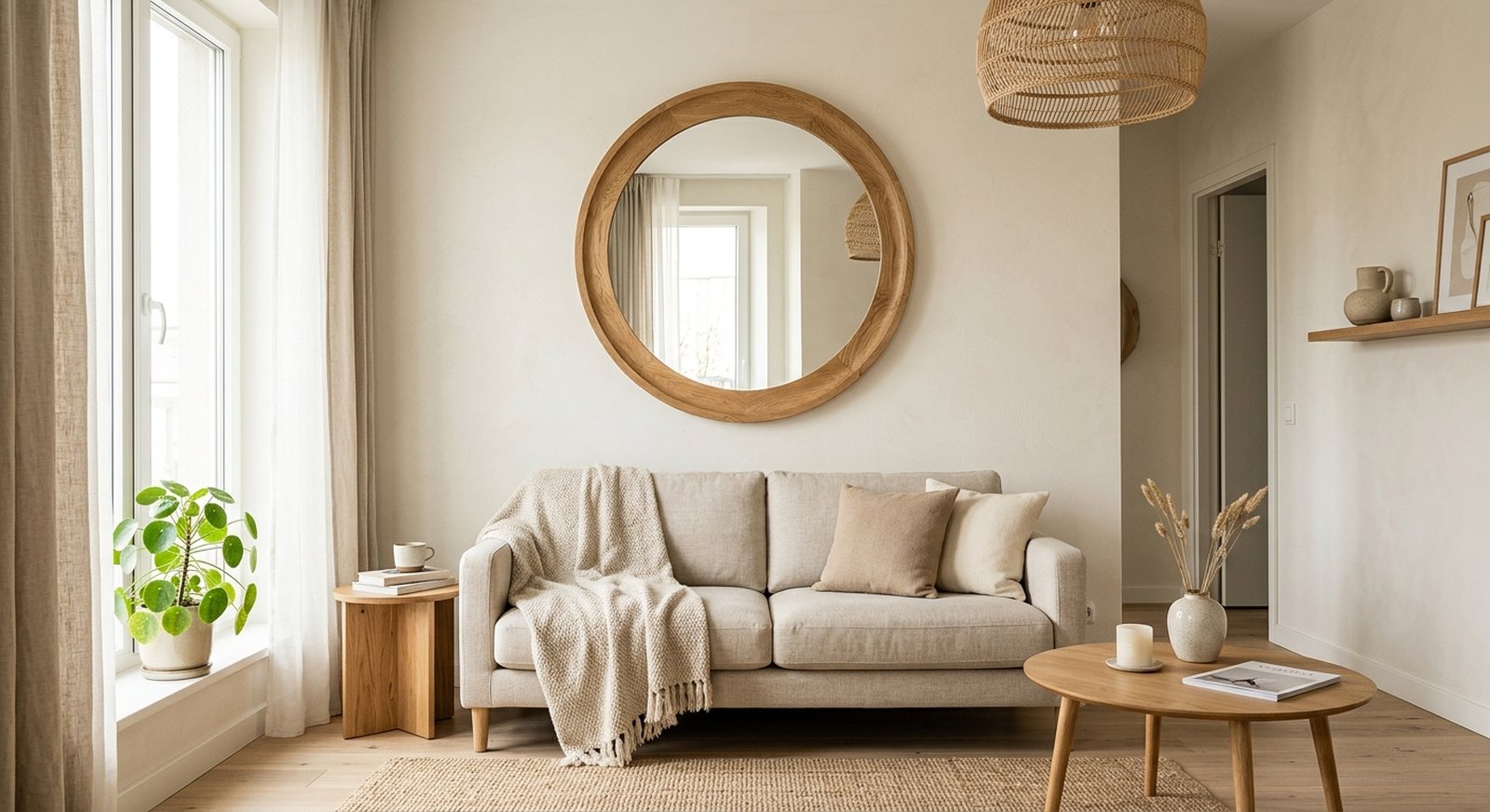
Organic-shaped mirrors enhance modern interiors by adding fluidity and softening rigid lines, creating a balanced and harmonious aesthetic. These mirrors often feature irregular edges, curved silhouettes, or freeform designs that mimic natural elements.
The average price premium for organic-shaped mirrors is 25% higher than standard rectangles. However, their ability to transform a space justifies the cost. For example, placing an organic-shaped mirror in a minimalist living room can break the monotony of straight lines, while in a boho space, it complements the eclectic vibe.
Most buyers miss this: Organic shapes work best in rooms with neutral palettes or natural textures like wood and stone. They pair exceptionally well with indoor plants, enhancing the nature-inspired theme.
For inspiration, browse our collection of round decorative mirrors.
Why Are Sustainable Materials Dominating Mirror Frames?
Sustainable materials are dominating mirror frames due to increasing consumer demand for eco-friendly home decor and their durability. Recycled aluminum and FSC-certified wood are the most popular choices.
Recycled aluminum frames weigh 15% less than virgin metal frames, making them easier to install and transport. FSC-certified wood frames, sourced from responsibly managed forests, offer a warm, rustic appeal while supporting sustainable forestry practices.
The practical issue is that sustainable frames often require a higher upfront investment, but their longevity offsets the cost. For example, a reclaimed wood frame can last up to 20 years with proper care, compared to 10 years for synthetic alternatives.
Explore our guide on decorative vs. functional mirrors to understand how sustainable frames fit into your decor.
Which Rooms Benefit Most from Oversized Mirrors?
Oversized mirrors benefit living rooms, bedrooms, and entryways the most by amplifying light and creating the illusion of more space. These mirrors work best when placed opposite windows or light sources.
The optimal mirror-to-wall ratio for small rooms is 1:3, meaning a mirror should cover no more than one-third of the wall space. In living rooms, oversized mirrors act as focal points, while in bedrooms, they enhance depth and light. Entryways benefit from full-length mirrors, which make narrow spaces feel larger and provide a functional check before heading out.
Worth knowing: Oversized mirrors with simple frames suit modern interiors, while ornate frames add elegance to traditional spaces.
Discover our range of full-length mirrors for your home.
Can Smart Mirrors Work in Traditional Home Decor?
Yes, smart mirrors can work in traditional home decor when designed with classic frames and subtle tech features. These mirrors often integrate LED lighting or touch controls without compromising aesthetics.
The energy consumption of backlit mirrors is 30% lower than standard bathroom lighting. This makes them both functional and eco-friendly. For traditional spaces, opt for smart mirrors with wood or antique-style frames that blend seamlessly with existing decor.
Most buyers miss this: Smart mirrors with adjustable lighting settings can mimic natural light, enhancing makeup application or morning routines.
Browse our collection of bathroom vanity mirrors to find the perfect balance of tech and tradition.
How to Style Geometric Mirrors Without Overwhelming a Space?
Style geometric mirrors by maintaining balance and spacing, ensuring they complement rather than dominate a room. Hexagons, sunburst patterns, and angular designs are popular choices.
The recommended spacing between multiple geometric mirrors is 10-15cm to avoid visual clutter. For example, a trio of hexagonal mirrors arranged in a staggered pattern can add interest without overwhelming a small wall.
The trade-off is straightforward: Bold shapes demand neutral surroundings. Pair geometric mirrors with solid-colored walls or minimalist furniture to let them shine.
Explore our accent wall mirrors for geometric designs that elevate your space.
Bottom Line: Which Latest Decorative Mirror Trends Matter for You?
The latest decorative mirror trends that matter most depend on your style, space, and sustainability goals. Organic shapes, sustainable materials, and oversized designs lead the way.
• Organic shapes suit boho and minimalist interiors, adding fluidity to rigid spaces.
• Sustainable frames offer eco-value and durability, making them a long-term investment.
• Oversized mirrors amplify light and space, ideal for rooms under 12m².
For personalized recommendations, check out our guide to choosing decorative mirrors.